
Understanding Cardiovascular Diseases: A Global Health Priority
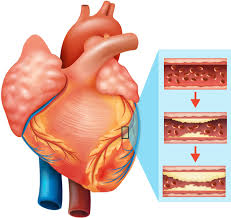
CF-CS STUDY Home About Contact Project Details Gallery Insights Home About Contact Project Details Gallery Insights Understanding Cardiovascular Diseases: A Global Health Priority Cardiovascular diseases (CVDs) remain the leading cause of death worldwide, responsible for an estimated 17.9 million deaths annually. These conditions, which include heart attacks, strokes, and peripheral artery disease, affect people of all ages and socioeconomic backgrounds. However, the burden of CVDs is particularly high in low- and middle-income countries (LMICs), including Nigeria, where access to quality healthcare and preventive services is often limited. This blog explores the nature of CVDs, their risk factors, and steps individuals and communities can take to prevent and manage them. What Are Cardiovascular Diseases? CVDs refer to a group of disorders that affect the heart and blood vessels. Key types include: The common thread in these conditions is a disruption of blood flow, which deprives organs of oxygen and nutrients, leading to damage or death. Global Burden of CVDs CVDs account for about 32% of all global deaths, with over three-quarters occurring in LMICs. Factors driving this trend include urbanization, lifestyle changes, limited healthcare infrastructure, and lower awareness of risk factors. In countries like Nigeria, CVDs often affect younger populations, creating additional social and economic burdens. Unlike many infectious diseases, CVDs are largely preventable and manageable. Yet, limited resources and health inequities leave many people without access to necessary care, leading to late diagnoses and poor outcomes. Key Risk Factors Understanding the factors that increase the risk of CVDs is crucial for prevention. Major risk factors include: Prevention Strategies The good news is that many CVDs are preventable through simple lifestyle changes and regular medical check-ups. Here are key strategies for reducing the risk: Management and Treatment For those already diagnosed with CVDs or at high risk, management involves a combination of lifestyle modifications, medication, and sometimes surgical interventions. Key treatments include: The Role of Healthcare Systems In many LMICs, including Nigeria, access to CVD care is limited by infrastructure, cost, and workforce shortages. Strengthening primary healthcare systems, expanding insurance coverage, and investing in public health education are vital steps. Community-based initiatives and partnerships with global health organizations can also play a crucial role in improving access to prevention and treatment. Globally, countries like Finland and Japan have achieved remarkable reductions in CVD rates through sustained public health efforts, demonstrating that progress is possible with the right strategies. Conclusion Cardiovascular diseases continue to be a major health challenge, but they are not inevitable. By understanding the risk factors and adopting healthier lifestyles, individuals can significantly reduce their chances of developing these conditions. Meanwhile, healthcare systems and policymakers must work together to create an environment that supports prevention, early detection, and quality care. Through concerted efforts at both individual and societal levels, we can turn the tide on CVDs and build a healthier future. Facebook-f Twitter Instagram Home About Contact Project Details Gallery © 2025 CF-CS STUDY All Rights Reserved
Hypertension: The Silent Killer
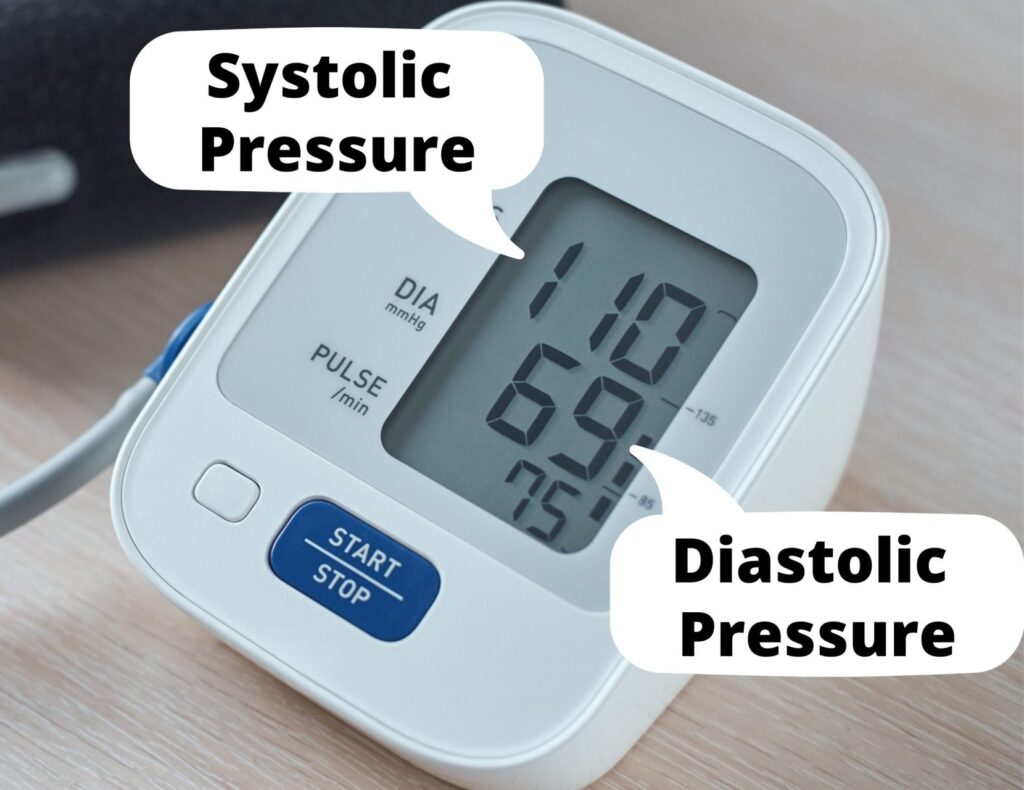
CLEAN FUEL-COOK STOVE (CF-CS) PROJECT Home About Contact Project Details Gallery Insights Home About Contact Project Details Gallery Insights Hypertension: The Silent Killer Hypertension, commonly known as high blood pressure, is often referred to as the “silent killer” because it typically has no noticeable symptoms but can lead to serious health problems if left untreated. According to the World Health Organization, an estimated 1.28 billion adults worldwide aged 30–79 years have hypertension, and nearly half of them are unaware of their condition. Blood pressure is the force of your blood pushing against the walls of your arteries. It is typically measured as: A normal reading is below 120/80 mm Hg. Hypertension is typically diagnosed when blood pressure is 130/80 mm Hg or higher. This aligns with current guidelines from the National Heart, Lung, and Blood Institute (NHLBI). According to NHLBI, blood pressure categories are defined as follows: These classifications are based on consistent readings and are used to guide diagnosis and treatment decisions. In addition, there are two main types of hypertension: While hypertension can affect anyone, several factors can increase your risk: Uncontrolled high blood pressure puts excessive strain on your blood vessels, heart, and organs. Over time, it can lead to: Because symptoms often don’t show until damage is done, regular screening is essential. Most people with hypertension have no symptoms at all, even at dangerously high levels. However, in some cases, individuals may experience: These symptoms typically occur when blood pressure reaches a severely high level, also known as a hypertensive crisis, and require immediate medical attention. The good news is that hypertension is preventable and manageable with lifestyle changes and, when necessary, medication. Here’s how: 1. Adopt a Heart-Healthy Diet 2. Stay Active 3. Maintain a Healthy Weight 4. Limit Alcohol and Quit Smoking 5. Manage Stress 6. Take Prescribed Medication Hypertension is a serious but manageable condition. Early detection through routine blood pressure checks, coupled with healthy lifestyle habits, can significantly reduce the risk of life-threatening complications. Talk to your healthcare provider about your risk factors and how to monitor your blood pressure regularly. We take a vital step toward a healthier tomorrow by understanding and addressing hypertension today. Facebook-f Twitter Instagram Home About Contact Project Details Gallery © 2025 CF-CS STUDY All Rights Reserved