
Living Green: Simple Sustainable Practices That Can Help Save Our Climate
With rising temperatures, weird weather patterns, and growing fears about the future, it’s easy to feel overwhelmed when talking about climate change. But here’s the thing: it’s not just about polar bears and faraway forests. The choices we make every day—how we eat, travel, shop, and live—are shaping the health of our planet and, by extension, our own health too. Sustainability doesn’t have to mean living off-grid or giving up everything we love. It’s about balance. It’s about using resources wisely, reducing waste, and making changes that help both people and the planet thrive. Let’s break down some simple, impactful, sustainable practices that are already making a difference across the world—and how you can be a part of it, no matter where you live. Eat with the Earth in Mind You don’t have to become vegan overnight, but being mindful of what’s on your plate is a great way to live more sustainably. How it helps: Agriculture is one of the biggest contributors to greenhouse gas emissions. Meat and dairy, in particular, have large carbon footprints. By eating more plant-based meals—even just once or twice a week—you can cut down emissions and help reduce land and water use. Try this: Reduce, Reuse, and Rethink We’ve all heard “reduce, reuse, recycle,” but the first two are often the most powerful. How it helps: The production and disposal of goods (clothes, electronics, plastic packaging) are a major source of pollution. Cutting down on unnecessary consumption means fewer emissions, less landfill waste, and less pressure on natural resources. Try this: Travel Smarter Cars, planes, and buses run on fuel, and that fuel releases greenhouse gases. Transportation is one of the largest contributors to global emissions. How it helps: Walking, biking, or taking public transportation lowers your carbon footprint. It also helps reduce traffic and air pollution, especially in big cities. Try this: Save Energy at Home Energy use in homes—heating, cooling, lighting, and electronics—adds up quickly. But small changes can lead to big savings (both for the planet and your wallet). How it helps: Lowering your energy use reduces demand on power plants, many of which still burn fossil fuels. It also helps conserve water, especially if your energy source is hydropower. Try this: Go Green with Water Use Water might seem endless, but clean, fresh water is not. Climate change is already affecting water supplies across the globe. How it helps: Sustainable water use helps protect ecosystems, ensures communities have enough to drink and farm, and reduces energy use linked to water treatment and transport. Try this: Speak Up and Support Policy Change Individual actions matter—but collective action drives big change. Supporting policies and leaders that prioritize the environment helps shift entire systems. How it helps: When communities, businesses, and governments take sustainability seriously, it leads to cleaner air, safer food, and a healthier future for everyone. Try this: Why It Matters for Health, Too Sustainable practices don’t just protect the environment—they protect human health. Clean air reduces respiratory illness. Safe water prevents disease. Nutritious food supports a strong immune system. And living in green, peaceful spaces boosts mental well-being. By protecting the planet, we’re protecting ourselves. Final Thoughts You don’t need to be perfect. You just need to start. Every little change adds up. When millions of people take small steps, they lead to giant leaps for the planet. Let’s make sustainability part of our everyday lives—not just a trend, but a lifestyle. The future depends on what we do today.
Understanding Environmental Smoke Exposure
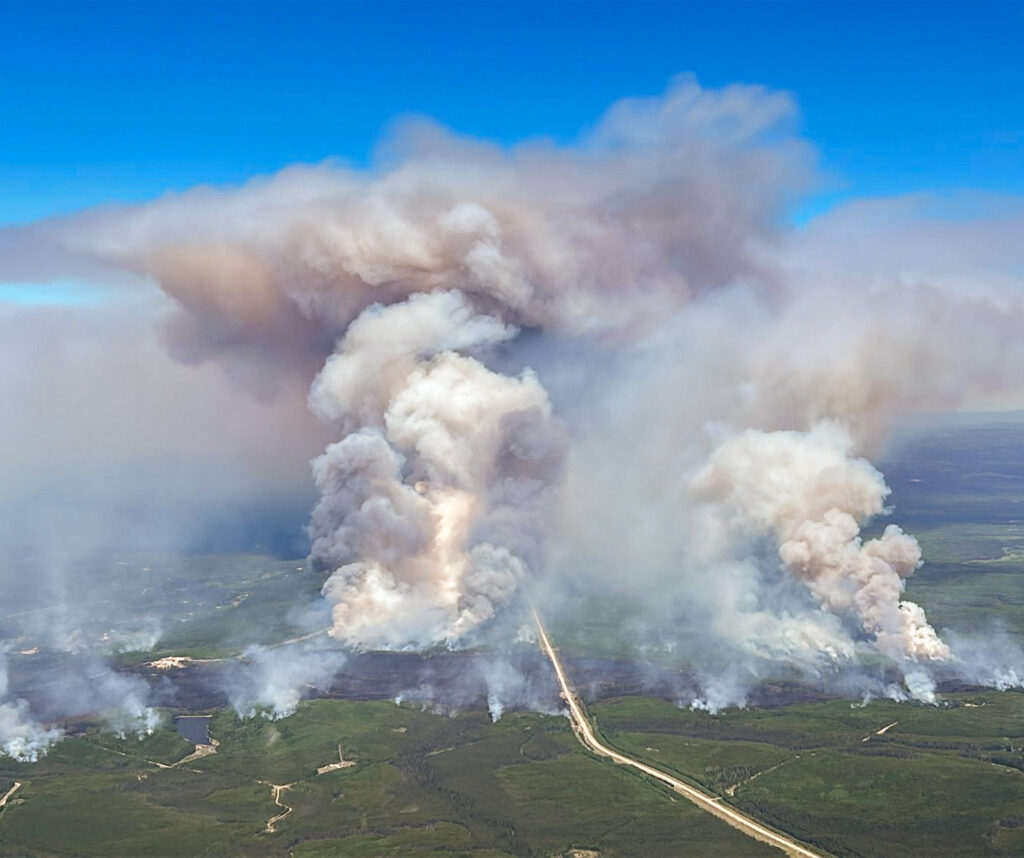
CLEAN FUEL-COOK STOVE (CF-CS) PROJECT Home About Contact Project Details Gallery Insights Home About Contact Project Details Gallery Insights Understanding Environmental Smoke Exposure In recent years, environmental smoke exposure, particularly from wildfires, has emerged as a significant public health concern. As climate change intensifies, the frequency and severity of wildfires have increased, leading to prolonged periods of poor air quality in many regions. This blog explores the health implications of smoke exposure, identifies vulnerable populations, and discusses strategies to mitigate associated risks. Understanding Wildfire Smoke and Its Components Wildfire smoke is a complex mixture of gases and fine particles produced when vegetation and other materials burn. The primary health threat from smoke comes from fine particulate matter, known as PM2.5—particles with diameters of 2.5 micrometres or smaller. These tiny particles can penetrate deep into the lungs and even enter the bloodstream, leading to various health issues. According to the U.S. Environmental Protection Agency (EPA), exposure to PM2.5 can cause: The Canadian government also highlights that wildfire smoke can lead to more severe but less common symptoms, including: In rare cases, exposure can result in strokes, heart attacks, and reproductive effects such as low birth weight. Health Impacts of Smoke Exposure Respiratory and Cardiovascular Effects Short-term exposure to wildfire smoke can aggravate existing respiratory conditions like asthma and chronic obstructive pulmonary disease (COPD). It can also increase the risk of respiratory infections. Long-term exposure has been linked to chronic bronchitis, reduced lung function, and increased mortality rates. Cardiovascular effects include increased risks of heart attacks, strokes, and heart failure. Studies have shown that PM2.5 exposure is associated with elevated blood pressure and inflammation, contributing to cardiovascular diseases. Neurological and Cognitive Effects Emerging research suggests that prolonged exposure to air pollution, including wildfire smoke, may have adverse effects on the brain. PM2.5 particles can cross the blood-brain barrier, potentially leading to cognitive decline and increased risks of neurodegenerative diseases like Alzheimer’s. Mental Health Implications Beyond physical health, wildfire smoke can impact mental well-being. Extended periods of poor air quality can lead to increased stress, anxiety, and depression. The uncertainty and disruption caused by wildfires and evacuation orders further exacerbate these mental health challenges. Vulnerable Populations Certain groups are more susceptible to the health effects of smoke exposure: Economic and Societal Costs The health impacts of wildfire smoke translate into significant economic burdens. In Canada, it’s estimated that up to 240 deaths each year are due to short-term exposure, and up to 2,500 deaths annually are attributed to long-term exposure. The associated healthcare costs range from $410 million to $1.8 billion for short-term effects and $4.3 billion to $19 billion for long-term effects. In the United States, a study found that from 2006 to 2020, climate change contributed to approximately 15,000 deaths due to exposure to PM2.5 from wildfire smoke, resulting in about $160 billion in economic costs. Mitigation and Protective Measures To reduce the health risks associated with smoke exposure, consider the following strategies: Conclusion Environmental smoke exposure, particularly from wildfires, poses a significant threat to public health. As climate change continues to influence the frequency and intensity of wildfires, understanding and mitigating the health risks associated with smoke exposure become increasingly vital. By staying informed and taking proactive measures, individuals and communities can better protect themselves against the adverse health effects of environmental smoke. Facebook-f Twitter Instagram Home About Contact Project Details Gallery © 2025 CF-CS STUDY All Rights Reserved