
The Evolution of Cooking Fuels: From Ancient Fires to Clean Energy Pt. 2
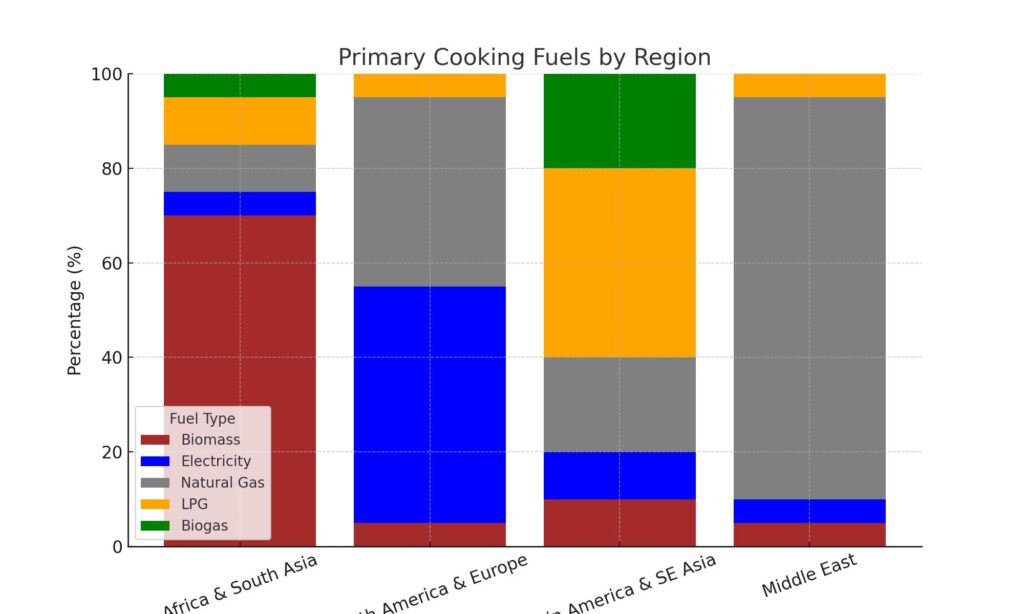
CLEAN FUEL-COOK STOVE (CF-CS) PROJECT Home About Contact Project Details Gallery Insights Home About Contact Project Details Gallery Insights The Need for Clean Energy Despite significant advancements in fuel sources, many households worldwide still rely on traditional biomass fuels, such as wood and charcoal, for cooking and heating. This continued dependence poses serious health and environmental concerns, highlighting the urgent need for cleaner, more sustainable energy alternatives. One of the most pressing issues is the impact on human health, as smoke from burning solid fuels releases harmful pollutants into the air, contributing to respiratory diseases such as asthma, bronchitis, and even long-term lung damage. In addition to health risks, traditional fuel use has severe environmental consequences. Furthermore, burning these fuels releases significant amounts of carbon dioxide and other greenhouse gases into the atmosphere, exacerbating climate change and contributing to global warming. Beyond health and environmental concerns, energy efficiency is another key factor in the push for cleaner fuel sources. Modern clean energy alternatives, such as electricity, natural gas, and renewable biofuels, offer improved energy conversion rates, reducing waste and making energy consumption more sustainable in the long run. The transition to clean energy is not just a matter of convenience but a critical step toward improving public health, protecting the environment, and ensuring a more efficient and sustainable future for all. Categorization of Cooking Fuels by Pollutant Levels Global Use of Cooking Fuels and Influencing Factors The choice of cooking fuel varies worldwide based on economic, geographical, and cultural factors, shaping how households prepare food and meet their daily energy needs. For example: These regional differences highlight the diverse energy landscapes worldwide and the ongoing transition toward cleaner, more sustainable cooking fuels. To conclude everything that has been stated so far, the historical evolution of cooking fuels demonstrates humanity’s adaptation to available resources while striving for efficiency and sustainability. The transition towards clean energy is necessary for better health, environmental conservation, and energy efficiency. As we move forward, innovations in renewable energy sources will shape the future of cooking, ensuring a sustainable and cleaner world for generations to come. Facebook-f Twitter Instagram Home About Contact Project Details Gallery © 2024 CF-CS STUDY All Rights Reserved
The Evolution of Cooking Fuels: From Ancient Fires to Clean Energy

CLEAN FUEL-COOK STOVE (CF-CS) PROJECT Home About Contact Project Details Gallery Insights Home About Contact Project Details Gallery Insights The Evolution of Cooking Fuels: From Ancient Fires to Clean Energy Cooking is essential for human survival, and the evolution of cooking fuels has significantly shaped societies and advanced civilizations. From primitive fires made with wood and stones to modern clean energy alternatives, this article explores the historical transitions in cooking fuels, the factors influencing fuel choices, and the necessity for cleaner energy solutions. The Origins of Fire for Cooking The discovery of fire was one of humanity’s first major advancements, debatably the most important, as it fundamentally transformed the way early humans lived, survived, and evolved. Initially, fires were created by natural causes, such as lightning strikes, and early humans likely stumbled upon these blazes, recognizing their potential for warmth and protection. However, over time, they developed the ability to harness and control fire themselves, using tools such as stones, wood, and other materials to generate sparks and ignite flames when needed. This mastery of fire revolutionized daily life, allowing early civilizations to cook food, making it more digestible and eliminating harmful bacteria. Fire also provided much-needed warmth in colder climates, enabling human populations to expand into new and more challenging environments. Beyond survival, the controlled use of fire played a significant role in early tool-making, as it enabled humans to harden wooden tools, extract metals from ores, and create stronger, more durable weapons and implements. Ultimately, the discovery of fire marked a turning point in human history, paving the way for further technological and societal advancements that would shape the course of civilization. The Transition Through the Ages As humans and civilizations began to evolve, so did their methods of cooking. The following provide different ways in which humans would cook their food: 1. Charcoal (Iron Age – Present Day in Some Areas) More efficient than raw wood. Produces less smoke and a higher heat output. Widely used in blacksmithing and large-scale food preparation. 2. Coal (Industrial Revolution – Early 20th Century) Provided fuel for urban households and industries, but resulted in severe air pollution. 3. Kerosene and Petroleum-Based Fuels (19th – 20th Century) Developed into a preferred option because of its availability and ease of use. Despite its widespread use in some regions, it has negative health and environmental effects. 4. Natural Gas and LPG (20th Century – Present Day) A cleaner alternative to solid fuels, commonly used in urban areas. Reduces indoor air pollution and offers efficient combustion. 5. Electricity and Induction Cooking (20th Century – Present Day) Electricity-powered stoves and induction cooktops have become popular in many developed regions. Highly efficient but reliant on energy infrastructure. 6. Renewable Energy (21st Century – Future) Solar cookers and biogas represent sustainable solutions for the future. Innovations like hydrogen-based cooking fuel are being explored. Part Two Coming Next Week Facebook-f Twitter Instagram Home About Contact Project Details Gallery © 2024 CF-CS STUDY All Rights Reserved